 f1bf7b17dc
## Description Added Appsmith Initializing and Starting pages to inform the users that Appsmith is starting up and they will need to wait for a few minutes before their Appsmith deployment is up and running, instead of displaying the 503 error like it earlier. ## Type of change - New feature (non-breaking change which adds functionality) # Media Initialization page 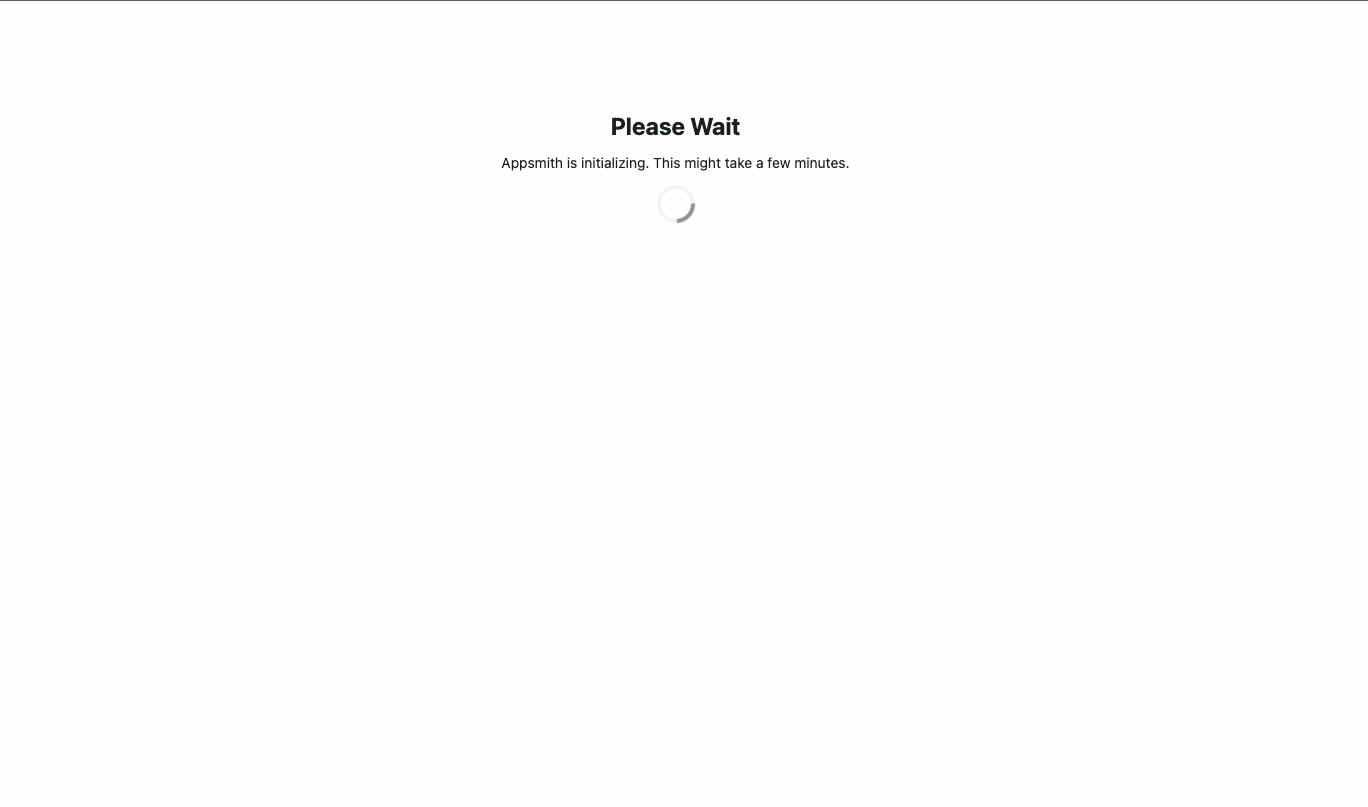 Starting page 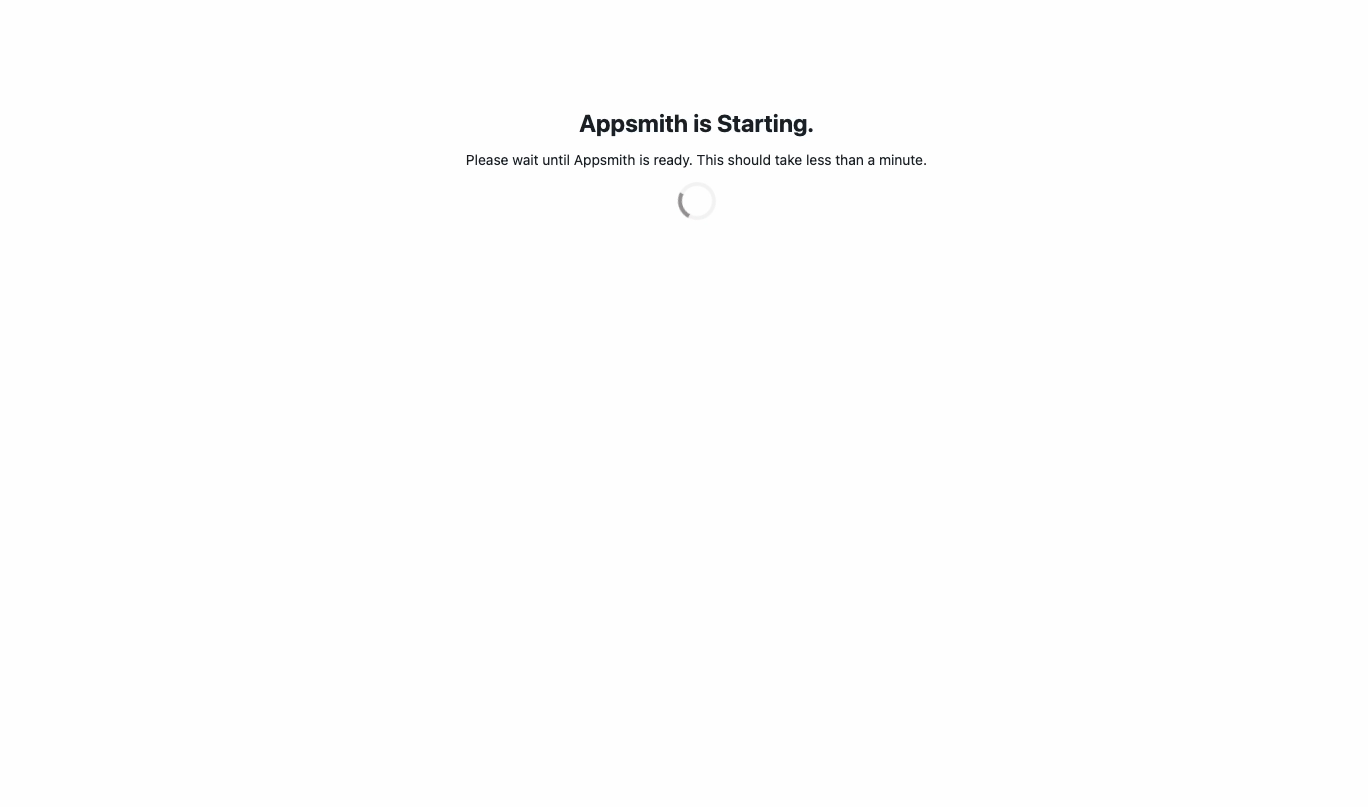 [Demo Video](https://drive.google.com/file/d/1sjvfbtbWHRqVfg0Vvf2JM6W3y61-KrWm/view?usp=share_link) ## How Has This Been Tested? - Manual --------- Co-authored-by: Shrikant Sharat Kandula <shrikant@appsmith.com> Co-authored-by: Arpit Mohan <mohanarpit@users.noreply.github.com>


439 lines
15 KiB
Bash
Executable File
439 lines
15 KiB
Bash
Executable File
#!/usr/bin/env bash
|
|
|
|
set -e
|
|
set -o xtrace
|
|
|
|
if [[ -n ${APPSMITH_SEGMENT_CE_KEY-} ]]; then
|
|
ip="$(curl -sS https://api64.ipify.org || echo unknown)"
|
|
curl \
|
|
--user "$APPSMITH_SEGMENT_CE_KEY:" \
|
|
--header 'Content-Type: application/json' \
|
|
--data '{
|
|
"userId":"'"$ip"'",
|
|
"event":"Instance Start",
|
|
"properties": {
|
|
"ip": "'"$ip"'"
|
|
}
|
|
}' \
|
|
https://api.segment.io/v1/track \
|
|
|| true
|
|
fi
|
|
|
|
stacks_path=/appsmith-stacks
|
|
|
|
function get_maximum_heap() {
|
|
resource=$(ulimit -u)
|
|
echo "Resource : $resource"
|
|
if [[ "$resource" -le 256 ]]; then
|
|
maximum_heap=128
|
|
elif [[ "$resource" -le 512 ]]; then
|
|
maximum_heap=256
|
|
fi
|
|
}
|
|
|
|
function setup_backend_heap_arg() {
|
|
if [[ ! -z ${maximum_heap} ]]; then
|
|
export APPSMITH_JAVA_HEAP_ARG="-Xmx${maximum_heap}m"
|
|
fi
|
|
}
|
|
|
|
init_env_file() {
|
|
CONF_PATH="/appsmith-stacks/configuration"
|
|
ENV_PATH="$CONF_PATH/docker.env"
|
|
TEMPLATES_PATH="/opt/appsmith/templates"
|
|
|
|
# Build an env file with current env variables. We single-quote the values, as well as escaping any single-quote characters.
|
|
printenv | grep -E '^APPSMITH_|^MONGO_' | sed "s/'/'\"'\"'/; s/=/='/; s/$/'/" > "$TEMPLATES_PATH/pre-define.env"
|
|
|
|
echo "Initialize .env file"
|
|
if ! [[ -e "$ENV_PATH" ]]; then
|
|
# Generate new docker.env file when initializing container for first time or in Heroku which does not have persistent volume
|
|
echo "Generating default configuration file"
|
|
mkdir -p "$CONF_PATH"
|
|
local default_appsmith_mongodb_user="appsmith"
|
|
local generated_appsmith_mongodb_password=$(
|
|
tr -dc A-Za-z0-9 </dev/urandom | head -c 13
|
|
echo ""
|
|
)
|
|
local generated_appsmith_encryption_password=$(
|
|
tr -dc A-Za-z0-9 </dev/urandom | head -c 13
|
|
echo ""
|
|
)
|
|
local generated_appsmith_encription_salt=$(
|
|
tr -dc A-Za-z0-9 </dev/urandom | head -c 13
|
|
echo ""
|
|
)
|
|
local generated_appsmith_supervisor_password=$(
|
|
tr -dc A-Za-z0-9 </dev/urandom | head -c 13
|
|
echo ''
|
|
)
|
|
bash "$TEMPLATES_PATH/docker.env.sh" "$default_appsmith_mongodb_user" "$generated_appsmith_mongodb_password" "$generated_appsmith_encryption_password" "$generated_appsmith_encription_salt" "$generated_appsmith_supervisor_password" > "$ENV_PATH"
|
|
fi
|
|
|
|
|
|
echo "Load environment configuration"
|
|
set -o allexport
|
|
. "$ENV_PATH"
|
|
. "$TEMPLATES_PATH/pre-define.env"
|
|
set +o allexport
|
|
}
|
|
|
|
setup_proxy_variables() {
|
|
export NO_PROXY="${NO_PROXY-localhost,127.0.0.1}"
|
|
|
|
# If one of HTTPS_PROXY or https_proxy are set, copy it to the other. If both are set, prefer HTTPS_PROXY.
|
|
if [[ -n ${HTTPS_PROXY-} ]]; then
|
|
export https_proxy="$HTTPS_PROXY"
|
|
elif [[ -n ${https_proxy-} ]]; then
|
|
export HTTPS_PROXY="$https_proxy"
|
|
fi
|
|
|
|
# If one of HTTP_PROXY or http_proxy are set, copy it to the other. If both are set, prefer HTTP_PROXY.
|
|
if [[ -n ${HTTP_PROXY-} ]]; then
|
|
export http_proxy="$HTTP_PROXY"
|
|
elif [[ -n ${http_proxy-} ]]; then
|
|
export HTTP_PROXY="$http_proxy"
|
|
fi
|
|
}
|
|
|
|
unset_unused_variables() {
|
|
# Check for enviroment vairalbes
|
|
echo "Checking environment configuration"
|
|
if [[ -z "${APPSMITH_MAIL_ENABLED}" ]]; then
|
|
unset APPSMITH_MAIL_ENABLED # If this field is empty is might cause application crash
|
|
fi
|
|
|
|
if [[ -z "${APPSMITH_OAUTH2_GITHUB_CLIENT_ID}" ]] || [[ -z "${APPSMITH_OAUTH2_GITHUB_CLIENT_SECRET}" ]]; then
|
|
unset APPSMITH_OAUTH2_GITHUB_CLIENT_ID # If this field is empty is might cause application crash
|
|
unset APPSMITH_OAUTH2_GITHUB_CLIENT_SECRET
|
|
fi
|
|
|
|
if [[ -z "${APPSMITH_OAUTH2_GOOGLE_CLIENT_ID}" ]] || [[ -z "${APPSMITH_OAUTH2_GOOGLE_CLIENT_SECRET}" ]]; then
|
|
unset APPSMITH_OAUTH2_GOOGLE_CLIENT_ID # If this field is empty is might cause application crash
|
|
unset APPSMITH_OAUTH2_GOOGLE_CLIENT_SECRET
|
|
fi
|
|
|
|
if [[ -z "${APPSMITH_GOOGLE_MAPS_API_KEY}" ]]; then
|
|
unset APPSMITH_GOOGLE_MAPS_API_KEY
|
|
fi
|
|
|
|
if [[ -z "${APPSMITH_RECAPTCHA_SITE_KEY}" ]] || [[ -z "${APPSMITH_RECAPTCHA_SECRET_KEY}" ]] || [[ -z "${APPSMITH_RECAPTCHA_ENABLED}" ]]; then
|
|
unset APPSMITH_RECAPTCHA_SITE_KEY # If this field is empty is might cause application crash
|
|
unset APPSMITH_RECAPTCHA_SECRET_KEY
|
|
unset APPSMITH_RECAPTCHA_ENABLED
|
|
fi
|
|
}
|
|
|
|
check_mongodb_uri() {
|
|
echo "Checking APPSMITH_MONGODB_URI"
|
|
isUriLocal=1
|
|
if [[ $APPSMITH_MONGODB_URI == *"localhost"* || $APPSMITH_MONGODB_URI == *"127.0.0.1"* ]]; then
|
|
echo "Detected local MongoDB"
|
|
isUriLocal=0
|
|
fi
|
|
}
|
|
|
|
init_mongodb() {
|
|
if [[ $isUriLocal -eq 0 ]]; then
|
|
echo "Initializing local database"
|
|
MONGO_DB_PATH="$stacks_path/data/mongodb"
|
|
MONGO_LOG_PATH="$MONGO_DB_PATH/log"
|
|
MONGO_DB_KEY="$MONGO_DB_PATH/key"
|
|
mkdir -p "$MONGO_DB_PATH"
|
|
touch "$MONGO_LOG_PATH"
|
|
|
|
if [[ ! -f "$MONGO_DB_KEY" ]]; then
|
|
openssl rand -base64 756 > "$MONGO_DB_KEY"
|
|
fi
|
|
use-mongodb-key "$MONGO_DB_KEY"
|
|
fi
|
|
}
|
|
|
|
init_replica_set() {
|
|
echo "Checking initialized database"
|
|
shouldPerformInitdb=1
|
|
for path in \
|
|
"$MONGO_DB_PATH/WiredTiger" \
|
|
"$MONGO_DB_PATH/journal" \
|
|
"$MONGO_DB_PATH/local.0" \
|
|
"$MONGO_DB_PATH/storage.bson"; do
|
|
if [ -e "$path" ]; then
|
|
shouldPerformInitdb=0
|
|
break
|
|
fi
|
|
done
|
|
|
|
if [[ $isUriLocal -gt 0 && -f /proc/cpuinfo ]] && ! grep --quiet avx /proc/cpuinfo; then
|
|
echo "====================================================================================================" >&2
|
|
echo "==" >&2
|
|
echo "== AVX instruction not found in your CPU. Appsmith's embedded MongoDB may not start. Please use an external MongoDB instance instead." >&2
|
|
echo "== See https://docs.appsmith.com/getting-started/setup/instance-configuration/custom-mongodb-redis#custom-mongodb for instructions." >&2
|
|
echo "==" >&2
|
|
echo "====================================================================================================" >&2
|
|
fi
|
|
|
|
if [[ $shouldPerformInitdb -gt 0 && $isUriLocal -eq 0 ]]; then
|
|
echo "Initializing Replica Set for local database"
|
|
# Start installed MongoDB service - Dependencies Layer
|
|
mongod --fork --port 27017 --dbpath "$MONGO_DB_PATH" --logpath "$MONGO_LOG_PATH"
|
|
echo "Waiting 10s for MongoDB to start"
|
|
sleep 10
|
|
echo "Creating MongoDB user"
|
|
mongosh "127.0.0.1/appsmith" --eval "db.createUser({
|
|
user: '$APPSMITH_MONGODB_USER',
|
|
pwd: '$APPSMITH_MONGODB_PASSWORD',
|
|
roles: [{
|
|
role: 'root',
|
|
db: 'admin'
|
|
}, 'readWrite']
|
|
}
|
|
)"
|
|
echo "Enabling Replica Set"
|
|
mongod --dbpath "$MONGO_DB_PATH" --shutdown || true
|
|
mongod --fork --port 27017 --dbpath "$MONGO_DB_PATH" --logpath "$MONGO_LOG_PATH" --replSet mr1 --keyFile /mongodb-key --bind_ip localhost
|
|
echo "Waiting 10s for MongoDB to start with Replica Set"
|
|
sleep 10
|
|
mongosh "$APPSMITH_MONGODB_URI" --eval 'rs.initiate()'
|
|
mongod --dbpath "$MONGO_DB_PATH" --shutdown || true
|
|
fi
|
|
|
|
if [[ $isUriLocal -gt 0 ]]; then
|
|
echo "Checking Replica Set of external MongoDB"
|
|
|
|
if appsmithctl check-replica-set; then
|
|
echo "MongoDB ReplicaSet is enabled"
|
|
else
|
|
echo -e "\033[0;31m***************************************************************************************\033[0m"
|
|
echo -e "\033[0;31m* MongoDB Replica Set is not enabled *\033[0m"
|
|
echo -e "\033[0;31m* Please ensure the credentials provided for MongoDB, has 'readWrite' role. *\033[0m"
|
|
echo -e "\033[0;31m***************************************************************************************\033[0m"
|
|
exit 1
|
|
fi
|
|
fi
|
|
}
|
|
|
|
use-mongodb-key() {
|
|
# This is a little weird. We copy the MongoDB key file to `/mongodb-key`, so that we can reliably set its permissions to 600.
|
|
# What affects the reliability of this? When the host machine of this Docker container is Windows, file permissions cannot be set on files in volumes.
|
|
# So the key file should be somewhere inside the container, and not in a volume.
|
|
cp -v "$1" /mongodb-key
|
|
chmod 600 /mongodb-key
|
|
}
|
|
|
|
# Keep Let's Encrypt directory persistent
|
|
mount_letsencrypt_directory() {
|
|
echo "Mounting Let's encrypt directory"
|
|
rm -rf /etc/letsencrypt
|
|
mkdir -p /appsmith-stacks/{letsencrypt,ssl}
|
|
ln -s /appsmith-stacks/letsencrypt /etc/letsencrypt
|
|
}
|
|
|
|
is_empty_directory() {
|
|
[[ -d $1 && -z "$(ls -A "$1")" ]]
|
|
}
|
|
|
|
check_setup_custom_ca_certificates() {
|
|
local stacks_ca_certs_path
|
|
stacks_ca_certs_path="$stacks_path/ca-certs"
|
|
|
|
local container_ca_certs_path
|
|
container_ca_certs_path="/usr/local/share/ca-certificates"
|
|
|
|
if [[ -d $stacks_ca_certs_path ]]; then
|
|
if [[ ! -L $container_ca_certs_path ]]; then
|
|
if is_empty_directory "$container_ca_certs_path"; then
|
|
rmdir -v "$container_ca_certs_path"
|
|
else
|
|
echo "The 'ca-certificates' directory inside the container is not empty. Please clear it and restart to use certs from 'stacks/ca-certs' directory." >&2
|
|
return
|
|
fi
|
|
fi
|
|
|
|
ln --verbose --force --symbolic --no-target-directory "$stacks_ca_certs_path" "$container_ca_certs_path"
|
|
|
|
elif [[ ! -e $container_ca_certs_path ]]; then
|
|
rm -vf "$container_ca_certs_path" # If it exists as a broken symlink, this will be needed.
|
|
mkdir -v "$container_ca_certs_path"
|
|
|
|
fi
|
|
|
|
if [[ -n "$(ls "$stacks_ca_certs_path"/*.pem 2>/dev/null)" ]]; then
|
|
echo "Looks like you have some '.pem' files in your 'ca-certs' folder. Please rename them to '.crt' to be picked up autatically.".
|
|
fi
|
|
|
|
update-ca-certificates --fresh
|
|
}
|
|
|
|
configure_supervisord() {
|
|
SUPERVISORD_CONF_PATH="/opt/appsmith/templates/supervisord"
|
|
if [[ -n "$(ls -A /etc/supervisor/conf.d)" ]]; then
|
|
rm -f "/etc/supervisor/conf.d/"*
|
|
fi
|
|
|
|
cp -f "$SUPERVISORD_CONF_PATH/application_process/"*.conf /etc/supervisor/conf.d
|
|
|
|
# Copy Supervisor Listiner confs to conf.d
|
|
cp -f "$SUPERVISORD_CONF_PATH/event_listeners/"*.conf /etc/supervisor/conf.d
|
|
|
|
# Disable services based on configuration
|
|
if [[ -z "${DYNO}" ]]; then
|
|
if [[ $isUriLocal -eq 0 ]]; then
|
|
cp "$SUPERVISORD_CONF_PATH/mongodb.conf" /etc/supervisor/conf.d/
|
|
fi
|
|
if [[ $APPSMITH_REDIS_URL == *"localhost"* || $APPSMITH_REDIS_URL == *"127.0.0.1"* ]]; then
|
|
cp "$SUPERVISORD_CONF_PATH/redis.conf" /etc/supervisor/conf.d/
|
|
# Initialize Redis rdb directory
|
|
local redis_db_path="$stacks_path/data/redis"
|
|
mkdir -p "$redis_db_path"
|
|
# Enable saving Redis session data to disk more often, so recent sessions aren't cleared on restart.
|
|
sed -i \
|
|
-e 's/^save 60 10000$/save 15 1/g' \
|
|
-e "s|^dir /var/lib/redis$|dir ${redis_db_path}|g" \
|
|
/etc/redis/redis.conf
|
|
fi
|
|
if ! [[ -e "/appsmith-stacks/ssl/fullchain.pem" ]] || ! [[ -e "/appsmith-stacks/ssl/privkey.pem" ]]; then
|
|
cp "$SUPERVISORD_CONF_PATH/cron.conf" /etc/supervisor/conf.d/
|
|
fi
|
|
if [[ $runEmbeddedPostgres -eq 1 ]]; then
|
|
cp "$SUPERVISORD_CONF_PATH/postgres.conf" /etc/supervisor/conf.d/
|
|
# Update hosts lookup to resolve to embedded postgres
|
|
echo '127.0.0.1 mockdb.internal.appsmith.com' >> /etc/hosts
|
|
fi
|
|
|
|
fi
|
|
}
|
|
|
|
# This is a workaround to get Redis working on diffent memory pagesize
|
|
# https://github.com/appsmithorg/appsmith/issues/11773
|
|
check_redis_compatible_page_size() {
|
|
local page_size
|
|
page_size="$(getconf PAGE_SIZE)"
|
|
if [[ $page_size -gt 4096 ]]; then
|
|
echo "Compile Redis stable with page size of $page_size"
|
|
echo "Downloading Redis source..."
|
|
curl https://download.redis.io/redis-stable.tar.gz -L | tar xvz
|
|
cd redis-stable/
|
|
echo "Compiling Redis from source..."
|
|
make && make install
|
|
echo "Cleaning up Redis source..."
|
|
cd ..
|
|
rm -rf redis-stable/
|
|
else
|
|
echo "Redis is compatible with page size of $page_size"
|
|
fi
|
|
}
|
|
|
|
init_postgres() {
|
|
# Initialize embedded postgres by default; set APPSMITH_ENABLE_EMBEDDED_DB to 0, to use existing cloud postgres mockdb instance
|
|
if [[ ${APPSMITH_ENABLE_EMBEDDED_DB: -1} != 0 ]]; then
|
|
echo ""
|
|
echo "Checking initialized local postgres"
|
|
POSTGRES_DB_PATH="$stacks_path/data/postgres/main"
|
|
|
|
if [ -e "$POSTGRES_DB_PATH/PG_VERSION" ]; then
|
|
echo "Found existing Postgres, Skipping initialization"
|
|
else
|
|
echo "Initializing local postgresql database"
|
|
|
|
mkdir -p $POSTGRES_DB_PATH
|
|
|
|
# Postgres does not allow it's server to be run with super user access, we use user postgres and the file system owner also needs to be the same user postgres
|
|
chown postgres:postgres $POSTGRES_DB_PATH
|
|
|
|
# Initialize the postgres db file system
|
|
su -m postgres -c "/usr/lib/postgresql/13/bin/initdb -D $POSTGRES_DB_PATH"
|
|
|
|
# Start the postgres server in daemon mode
|
|
su postgres -c "/usr/lib/postgresql/13/bin/pg_ctl -D $POSTGRES_DB_PATH start"
|
|
|
|
# Create mockdb db and user and populate it with the data
|
|
seed_embedded_postgres
|
|
|
|
# Stop the postgres daemon
|
|
su postgres -c "/usr/lib/postgresql/13/bin/pg_ctl stop -D $POSTGRES_DB_PATH"
|
|
fi
|
|
else
|
|
runEmbeddedPostgres=0
|
|
fi
|
|
|
|
}
|
|
|
|
seed_embedded_postgres(){
|
|
# Create mockdb database
|
|
psql -U postgres -c "CREATE DATABASE mockdb;"
|
|
# Create mockdb superuser
|
|
su postgres -c "/usr/lib/postgresql/13/bin/createuser mockdb -s"
|
|
# Dump the sql file containing mockdb data
|
|
psql -U postgres -d mockdb --file='/opt/appsmith/templates/mockdb_postgres.sql'
|
|
|
|
# Create users database
|
|
psql -U postgres -c "CREATE DATABASE users;"
|
|
# Create users superuser
|
|
su postgres -c "/usr/lib/postgresql/13/bin/createuser users -s"
|
|
# Dump the sql file containing mockdb data
|
|
psql -U postgres -d users --file='/opt/appsmith/templates/users_postgres.sql'
|
|
}
|
|
|
|
safe_init_postgres(){
|
|
runEmbeddedPostgres=1
|
|
# fail safe to prevent entrypoint from exiting, and prevent postgres from starting
|
|
init_postgres || runEmbeddedPostgres=0
|
|
}
|
|
|
|
init_loading_pages(){
|
|
local starting_page="/opt/appsmith/templates/appsmith_starting.html"
|
|
local initializing_page="/opt/appsmith/templates/appsmith_initializing.html"
|
|
local editor_load_page="/opt/appsmith/editor/loading.html"
|
|
# Update default nginx page for initializing page
|
|
cp "$initializing_page" /var/www/html/index.nginx-debian.html
|
|
# Start nginx page to display the Appsmith is Initializing page
|
|
nginx
|
|
# Update editor nginx page for starting page
|
|
cp "$starting_page" "$editor_load_page"
|
|
}
|
|
|
|
# Main Section
|
|
init_loading_pages
|
|
init_env_file
|
|
setup_proxy_variables
|
|
unset_unused_variables
|
|
|
|
check_mongodb_uri
|
|
if [[ -z "${DYNO}" ]]; then
|
|
# Don't run MongoDB if running in a Heroku dyno.
|
|
init_mongodb
|
|
init_replica_set
|
|
else
|
|
# These functions are used to limit heap size for Backend process when deployed on Heroku
|
|
get_maximum_heap
|
|
setup_backend_heap_arg
|
|
# set the hostname for heroku dyno
|
|
export HOSTNAME="heroku_dyno"
|
|
fi
|
|
|
|
check_setup_custom_ca_certificates
|
|
mount_letsencrypt_directory
|
|
|
|
check_redis_compatible_page_size
|
|
|
|
safe_init_postgres
|
|
|
|
configure_supervisord
|
|
|
|
CREDENTIAL_PATH="/etc/nginx/passwords"
|
|
if ! [[ -e "$CREDENTIAL_PATH" ]]; then
|
|
echo "Generating Basic Authentication file"
|
|
printf "$APPSMITH_SUPERVISOR_USER:$(openssl passwd -apr1 $APPSMITH_SUPERVISOR_PASSWORD)" > "$CREDENTIAL_PATH"
|
|
fi
|
|
# Ensure the restore path exists in the container, so an archive can be copied to it, if need be.
|
|
mkdir -p /appsmith-stacks/data/{backup,restore}
|
|
|
|
# Create sub-directory to store services log in the container mounting folder
|
|
mkdir -p /appsmith-stacks/logs/{backend,cron,editor,rts,mongodb,redis,postgres,appsmithctl}
|
|
|
|
# Stop nginx gracefully
|
|
nginx -s quit
|
|
|
|
# Handle CMD command
|
|
exec "$@"
|