 424d2f6965
## Description

This PR upgrades Prettier to v2 + enforces TypeScript’s [`import
type`](https://www.typescriptlang.org/docs/handbook/release-notes/typescript-3-8.html#type-only-imports-and-export)
syntax where applicable. It’s submitted as a separate PR so we can merge
it easily.

As a part of this PR, we reformat the codebase heavily:
- add `import type` everywhere where it’s required, and
- re-format the code to account for Prettier 2’s breaking changes:
https://prettier.io/blog/2020/03/21/2.0.0.html#breaking-changes

This PR is submitted against `release` to make sure all new code by team
members will adhere to new formatting standards, and we’ll have fewer
conflicts when merging `bundle-optimizations` into `release`. (I’ll
merge `release` back into `bundle-optimizations` once this PR is
merged.)

### Why is this needed?

This PR is needed because, for the Lodash optimization from
7cbb12af88,
we need to use `import type`. Otherwise, `babel-plugin-lodash` complains
that `LoDashStatic` is not a lodash function.

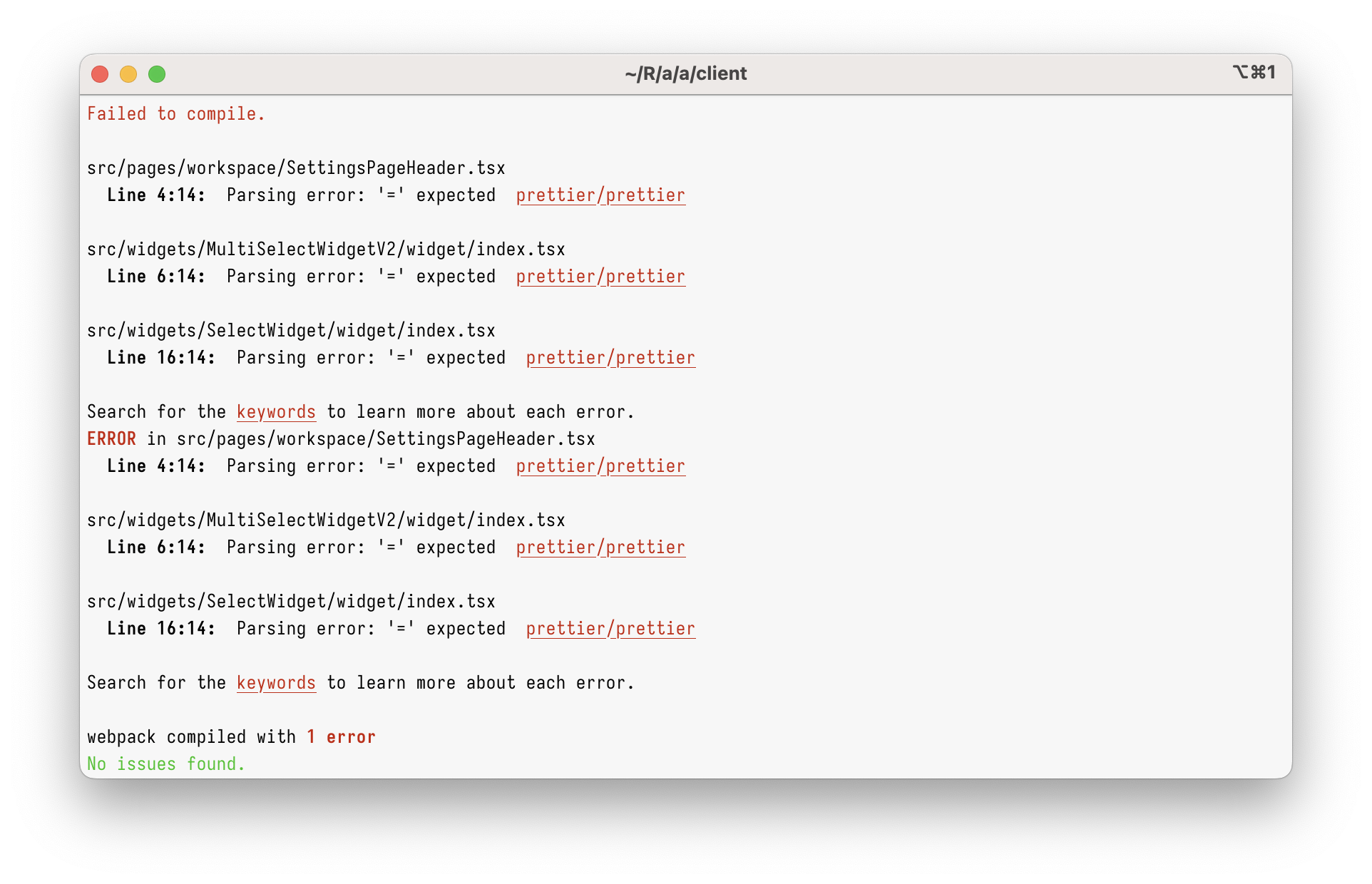
However, just using `import type` in the current codebase will give you
this:

<img width="962" alt="Screenshot 2023-03-08 at 17 45 59"
src="https://user-images.githubusercontent.com/2953267/223775744-407afa0c-e8b9-44a1-90f9-b879348da57f.png">

That’s because Prettier 1 can’t parse `import type` at all. To parse it,
we need to upgrade to Prettier 2.

### Why enforce `import type`?

Apart from just enabling `import type` support, this PR enforces
specifying `import type` everywhere it’s needed. (Developers will get
immediate TypeScript and ESLint errors when they forget to do so.)

I’m doing this because I believe `import type` improves DX and makes
refactorings easier.

Let’s say you had a few imports like below. Can you tell which of these
imports will increase the bundle size? (Tip: it’s not all of them!)

```ts
// app/client/src/workers/Linting/utils.ts
import { Position } from "codemirror";
import { LintError as JSHintError, LintOptions } from "jshint";
import { get, isEmpty, isNumber, keys, last, set } from "lodash";
```

It’s pretty hard, right?

What about now?

```ts
// app/client/src/workers/Linting/utils.ts
import type { Position } from "codemirror";
import type { LintError as JSHintError, LintOptions } from "jshint";
import { get, isEmpty, isNumber, keys, last, set } from "lodash";
```

Now, it’s clear that only `lodash` will be bundled.

This helps developers to see which imports are problematic, but it
_also_ helps with refactorings. Now, if you want to see where
`codemirror` is bundled, you can just grep for `import \{.*\} from
"codemirror"` – and you won’t get any type-only imports.

This also helps (some) bundlers. Upon transpiling, TypeScript erases
type-only imports completely. In some environment (not ours), this makes
the bundle smaller, as the bundler doesn’t need to bundle type-only
imports anymore.

## Type of change

- Chore (housekeeping or task changes that don't impact user perception)


## How Has This Been Tested?

This was tested to not break the build.

### Test Plan
> Add Testsmith test cases links that relate to this PR

### Issues raised during DP testing
> Link issues raised during DP testing for better visiblity and tracking
(copy link from comments dropped on this PR)


## Checklist:
### Dev activity
- [x] My code follows the style guidelines of this project
- [ ] I have performed a self-review of my own code
- [ ] I have commented my code, particularly in hard-to-understand areas
- [ ] I have made corresponding changes to the documentation
- [x] My changes generate no new warnings
- [ ] I have added tests that prove my fix is effective or that my
feature works
- [ ] New and existing unit tests pass locally with my changes
- [ ] PR is being merged under a feature flag


### QA activity:
- [ ] Test plan has been approved by relevant developers
- [ ] Test plan has been peer reviewed by QA
- [ ] Cypress test cases have been added and approved by either SDET or
manual QA
- [ ] Organized project review call with relevant stakeholders after
Round 1/2 of QA
- [ ] Added Test Plan Approved label after reveiwing all Cypress test

---------

Co-authored-by: Satish Gandham <hello@satishgandham.com>
Co-authored-by: Satish Gandham <satish.iitg@gmail.com>
302 lines
8.4 KiB
TypeScript
302 lines
8.4 KiB
TypeScript
import React from "react";
|
|
import { isString } from "lodash";
|
|
|
|
import type { ControlProps } from "./BaseControl";
|
|
import BaseControl from "./BaseControl";
|
|
import { StyledDynamicInput } from "./StyledControls";
|
|
import type { CodeEditorExpected } from "components/editorComponents/CodeEditor";
|
|
import type { EditorTheme } from "components/editorComponents/CodeEditor/EditorConfig";
|
|
import {
|
|
EditorModes,
|
|
EditorSize,
|
|
TabBehaviour,
|
|
} from "components/editorComponents/CodeEditor/EditorConfig";
|
|
import { getDynamicBindings, isDynamicValue } from "utils/DynamicBindingUtils";
|
|
import styled from "styled-components";
|
|
import type { JSONFormWidgetProps } from "widgets/JSONFormWidget/widget";
|
|
import type { Schema, SchemaItem } from "widgets/JSONFormWidget/constants";
|
|
import {
|
|
ARRAY_ITEM_KEY,
|
|
DataType,
|
|
FIELD_TYPE_TO_POTENTIAL_DATA,
|
|
getBindingTemplate,
|
|
ROOT_SCHEMA_KEY,
|
|
} from "widgets/JSONFormWidget/constants";
|
|
import CodeEditor from "components/editorComponents/LazyCodeEditorWrapper";
|
|
|
|
const PromptMessage = styled.span`
|
|
line-height: 17px;
|
|
`;
|
|
const CurlyBraces = styled.span`
|
|
color: ${(props) => props.theme.colors.codeMirror.background.hoverState};
|
|
background-color: #ffffff;
|
|
border-radius: 2px;
|
|
padding: 2px;
|
|
margin: 0px 2px;
|
|
font-size: 10px;
|
|
`;
|
|
|
|
// Auxiliary function for processArray, which returns the value for an object field
|
|
function processObject(schema: Schema, defaultValue?: any) {
|
|
const obj: Record<string, any> = {};
|
|
|
|
Object.values(schema).forEach((schemaItem) => {
|
|
obj[schemaItem.accessor] = processSchemaItemAutocomplete(
|
|
schemaItem,
|
|
defaultValue,
|
|
);
|
|
});
|
|
|
|
return obj;
|
|
}
|
|
|
|
// Auxiliary function for processArray, which returns the value for an array field
|
|
function processArray(schema: Schema, defaultValue?: any): any[] {
|
|
if (schema[ARRAY_ITEM_KEY]) {
|
|
return [
|
|
processSchemaItemAutocomplete(schema[ARRAY_ITEM_KEY], defaultValue),
|
|
];
|
|
}
|
|
|
|
return [];
|
|
}
|
|
|
|
/**
|
|
* This function takes a schemaItem, traverses through it and creates an object out of it. This
|
|
* object would look like the form data and this object would be used for autocomplete.
|
|
* Eg - {
|
|
* fieldType: object,
|
|
* children: {
|
|
* name: {
|
|
* accessor: "name"
|
|
* fieldType: "string"
|
|
* },
|
|
* age: {
|
|
* accessor: "आयु"
|
|
* fieldType: "number"
|
|
* }
|
|
* }
|
|
* }
|
|
*
|
|
* @returns
|
|
* {
|
|
* name: "",
|
|
* आयु: 0
|
|
* }
|
|
*
|
|
* @param schema
|
|
* @param defaultValue Values that the autocomplete should show for a particular field
|
|
*/
|
|
export function processSchemaItemAutocomplete(
|
|
schemaItem: SchemaItem,
|
|
defaultValue?: any,
|
|
) {
|
|
if (schemaItem.dataType === DataType.OBJECT) {
|
|
return processObject(schemaItem.children, defaultValue);
|
|
}
|
|
|
|
if (schemaItem.dataType === DataType.ARRAY) {
|
|
return processArray(schemaItem.children, defaultValue);
|
|
}
|
|
|
|
return defaultValue || FIELD_TYPE_TO_POTENTIAL_DATA[schemaItem.fieldType];
|
|
}
|
|
|
|
export function InputText(props: {
|
|
label: string;
|
|
value: string;
|
|
onChange: (event: React.ChangeEvent<HTMLTextAreaElement> | string) => void;
|
|
evaluatedValue?: any;
|
|
expected?: CodeEditorExpected;
|
|
placeholder?: string;
|
|
dataTreePath?: string;
|
|
additionalDynamicData: Record<string, Record<string, any>>;
|
|
theme: EditorTheme;
|
|
}) {
|
|
const {
|
|
additionalDynamicData,
|
|
dataTreePath,
|
|
evaluatedValue,
|
|
expected,
|
|
onChange,
|
|
placeholder,
|
|
theme,
|
|
value,
|
|
} = props;
|
|
return (
|
|
<StyledDynamicInput>
|
|
<CodeEditor
|
|
additionalDynamicData={additionalDynamicData}
|
|
dataTreePath={dataTreePath}
|
|
evaluatedValue={evaluatedValue}
|
|
expected={expected}
|
|
input={{
|
|
value: value,
|
|
onChange: onChange,
|
|
}}
|
|
mode={EditorModes.TEXT_WITH_BINDING}
|
|
placeholder={placeholder}
|
|
promptMessage={
|
|
<PromptMessage>
|
|
Access the current form using <CurlyBraces>{"{{"}</CurlyBraces>
|
|
sourceData.fieldName
|
|
<CurlyBraces>{"}}"}</CurlyBraces>
|
|
</PromptMessage>
|
|
}
|
|
size={EditorSize.EXTENDED}
|
|
tabBehaviour={TabBehaviour.INDENT}
|
|
theme={theme}
|
|
/>
|
|
</StyledDynamicInput>
|
|
);
|
|
}
|
|
|
|
export const stringToJS = (string: string): string => {
|
|
const { jsSnippets, stringSegments } = getDynamicBindings(string);
|
|
const js = stringSegments
|
|
.map((segment, index) => {
|
|
if (jsSnippets[index] && jsSnippets[index].length > 0) {
|
|
return jsSnippets[index];
|
|
} else {
|
|
return `\`${segment}\``;
|
|
}
|
|
})
|
|
.join(" + ");
|
|
return js;
|
|
};
|
|
|
|
export const JSToString = (js: string): string => {
|
|
const segments = js.split(" + ");
|
|
return segments
|
|
.map((segment) => {
|
|
if (segment.charAt(0) === "`") {
|
|
return segment.substring(1, segment.length - 1);
|
|
} else return "{{" + segment + "}}";
|
|
})
|
|
.join("");
|
|
};
|
|
|
|
class JSONFormComputeControl extends BaseControl<JSONFormComputeControlProps> {
|
|
static getInputComputedValue = (
|
|
propertyValue: string,
|
|
widgetName: string,
|
|
) => {
|
|
if (!isDynamicValue(propertyValue)) return propertyValue;
|
|
|
|
const { prefixTemplate, suffixTemplate } = getBindingTemplate(widgetName);
|
|
|
|
const value = propertyValue.substring(
|
|
prefixTemplate.length,
|
|
propertyValue.length - suffixTemplate.length,
|
|
);
|
|
|
|
return JSToString(value);
|
|
};
|
|
|
|
getComputedValue = (value: string) => {
|
|
const { widgetName } = this.props.widgetProperties;
|
|
|
|
/**
|
|
* If the input value is not a binding then there is no need of adding binding template
|
|
* to the value as it would be of no use.
|
|
*
|
|
* Original motivation of doing this to allow REGEX to work. If the value is REGEX, eg - ^\d+$ and the
|
|
* binding template is added, the REGEX is processed by evaluation and the "\" is considered as a escape and
|
|
* is removed from the final value and the regex become ^d+$. In order to make it work inside a binding the "\"
|
|
* has to be escaped by doing ^\\d+$.
|
|
* As the user is unaware of this binding template being added under the hood, it is not obvious for the user
|
|
* to escape the "\".
|
|
* Thus now we only add the binding template around a value only if the original value has a binding as that could
|
|
* be an indication of the usage of formData/sourceData/fieldState in the value.
|
|
*/
|
|
if (!isDynamicValue(value)) return value;
|
|
|
|
const stringToEvaluate = stringToJS(value);
|
|
const { prefixTemplate, suffixTemplate } = getBindingTemplate(widgetName);
|
|
|
|
if (stringToEvaluate === "") {
|
|
return stringToEvaluate;
|
|
}
|
|
|
|
return `${prefixTemplate}${stringToEvaluate}${suffixTemplate}`;
|
|
};
|
|
|
|
onTextChange = (event: React.ChangeEvent<HTMLTextAreaElement> | string) => {
|
|
const value = isString(event) ? event : event.target?.value;
|
|
const output = this.getComputedValue(value);
|
|
|
|
this.updateProperty(this.props.propertyName, output);
|
|
};
|
|
|
|
render() {
|
|
const {
|
|
dataTreePath,
|
|
defaultValue,
|
|
expected,
|
|
label,
|
|
placeholderText,
|
|
propertyValue,
|
|
theme,
|
|
widgetProperties,
|
|
} = this.props;
|
|
|
|
const { schema } = widgetProperties;
|
|
const rootSchemaItem = schema[ROOT_SCHEMA_KEY] || {};
|
|
const { sourceData } = rootSchemaItem;
|
|
|
|
const baseSchemaStructure = processSchemaItemAutocomplete(rootSchemaItem);
|
|
|
|
const fieldStateStructure = processSchemaItemAutocomplete(rootSchemaItem, {
|
|
isVisible: true,
|
|
isDisabled: true,
|
|
isRequired: true,
|
|
isValid: true,
|
|
});
|
|
|
|
const value = (() => {
|
|
if (propertyValue && isDynamicValue(propertyValue)) {
|
|
const { widgetName } = this.props.widgetProperties;
|
|
return JSONFormComputeControl.getInputComputedValue(
|
|
propertyValue,
|
|
widgetName,
|
|
);
|
|
}
|
|
|
|
return propertyValue || defaultValue;
|
|
})();
|
|
|
|
if (value && !propertyValue) {
|
|
this.onTextChange(value);
|
|
}
|
|
|
|
return (
|
|
<InputText
|
|
additionalDynamicData={{
|
|
sourceData,
|
|
formData: baseSchemaStructure,
|
|
fieldState: fieldStateStructure,
|
|
}}
|
|
dataTreePath={dataTreePath}
|
|
expected={expected}
|
|
label={label}
|
|
onChange={this.onTextChange}
|
|
placeholder={placeholderText}
|
|
theme={theme}
|
|
value={value}
|
|
/>
|
|
);
|
|
}
|
|
|
|
static getControlType() {
|
|
return "JSON_FORM_COMPUTE_VALUE";
|
|
}
|
|
}
|
|
|
|
export interface JSONFormComputeControlProps extends ControlProps {
|
|
defaultValue?: string;
|
|
widgetProperties: JSONFormWidgetProps;
|
|
placeholderText?: string;
|
|
}
|
|
|
|
export default JSONFormComputeControl;
|